By Rich Benvin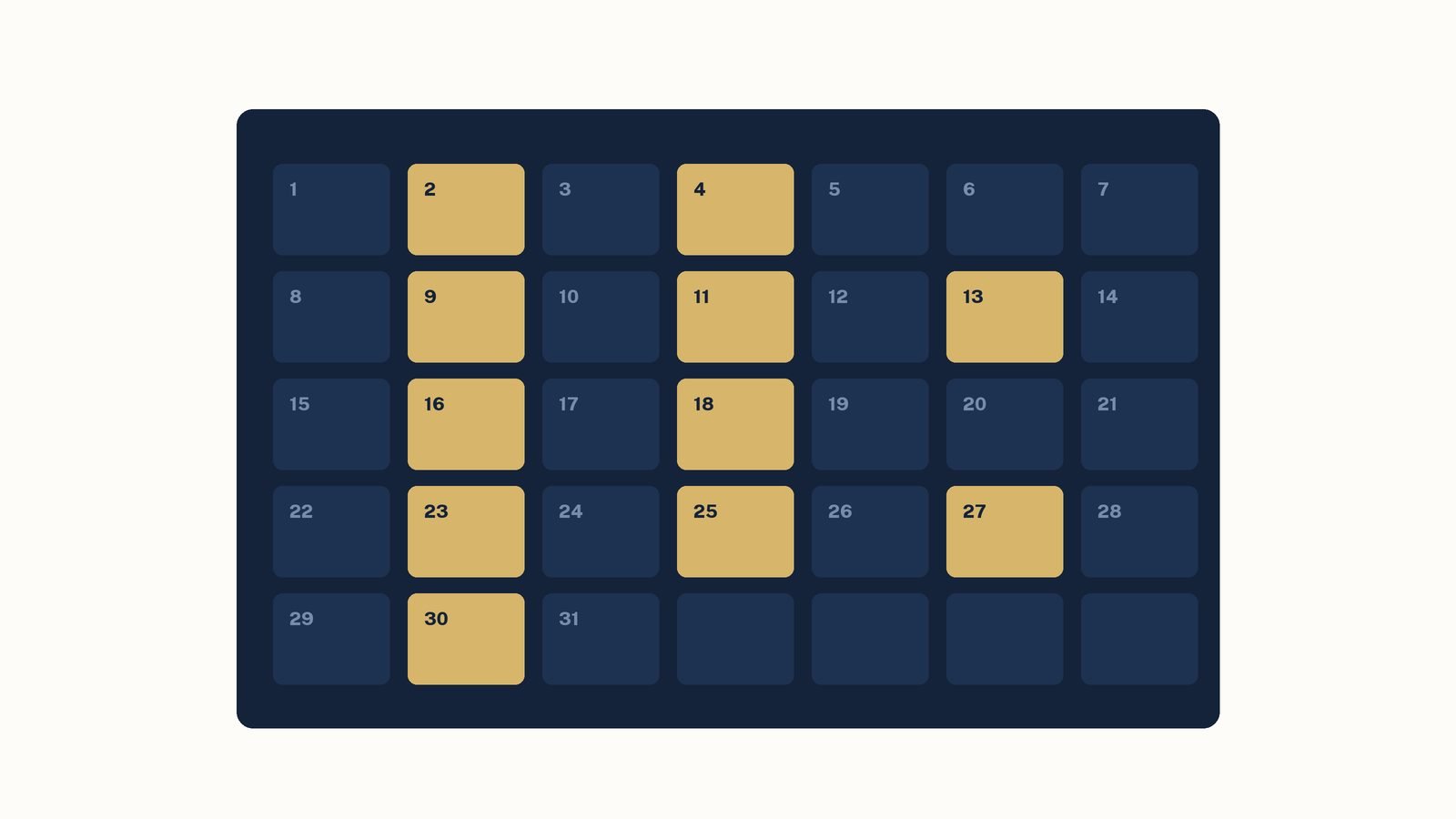
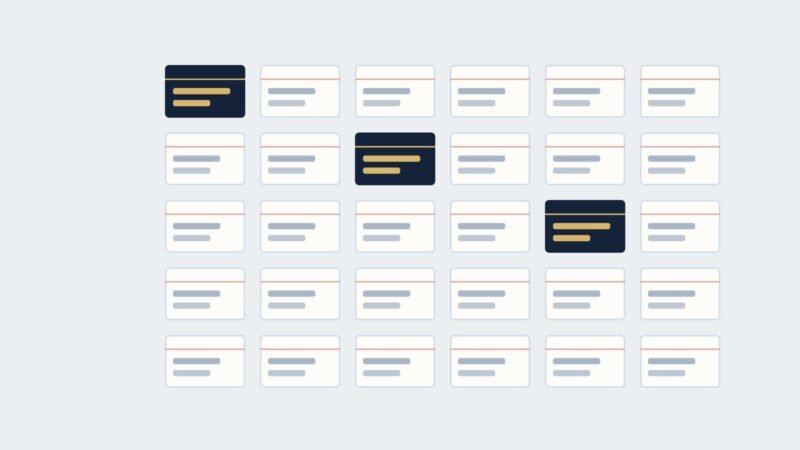
Sites that publish on a steady schedule tend to build audiences faster than sites that publish in bursts. The hard part is not writing; it is deciding what to write next, every week. Plan the quarter in one sitting and that decision is already made.
Step 1: Choose your publishing rhythm
Pick a number you can sustain for three months, not one you can manage for two weeks. Two articles a week is a strong rhythm for a small site. Choose fixed days so readers and your team know when to expect them.
Step 2: Build three topic pillars
List the three or four big subjects your site should be known for. For a home coffee site: brewing methods, equipment, and beans. Every article should sit under one pillar, so the site builds depth instead of scattering.
Step 3: Fill each pillar with a mix of formats
- How-tos answer a task (“How to dial in a grinder for pour-over”).
- Lists help people choose (“7 beginner-friendly espresso machines”).
- Comparisons catch buyers deciding (“AeroPress vs French press”).
- Explainers build trust (“What is coffee extraction?”).
Rotate formats so the calendar does not become twelve lists in a row.
Step 4: Put dates on everything
Assign every topic a publish date, then work back: brief due two weeks before, draft due one week before. Our free Content Calendar Generator does the dating for you and exports a spreadsheet. If AI topic ideas are switched on, it can also suggest a starting list for your niche.
Keep a little slack
Leave one slot a month empty for news, a question a reader asked, or an article that is performing well and deserves a follow-up.
Want the calendar filled without writing every article? A Reserve Plan delivers a set number of articles each month on the topics you choose.
Need articles like this for your site?
Reserve an exclusive title from the Vault or order a custom piece written to your brief.